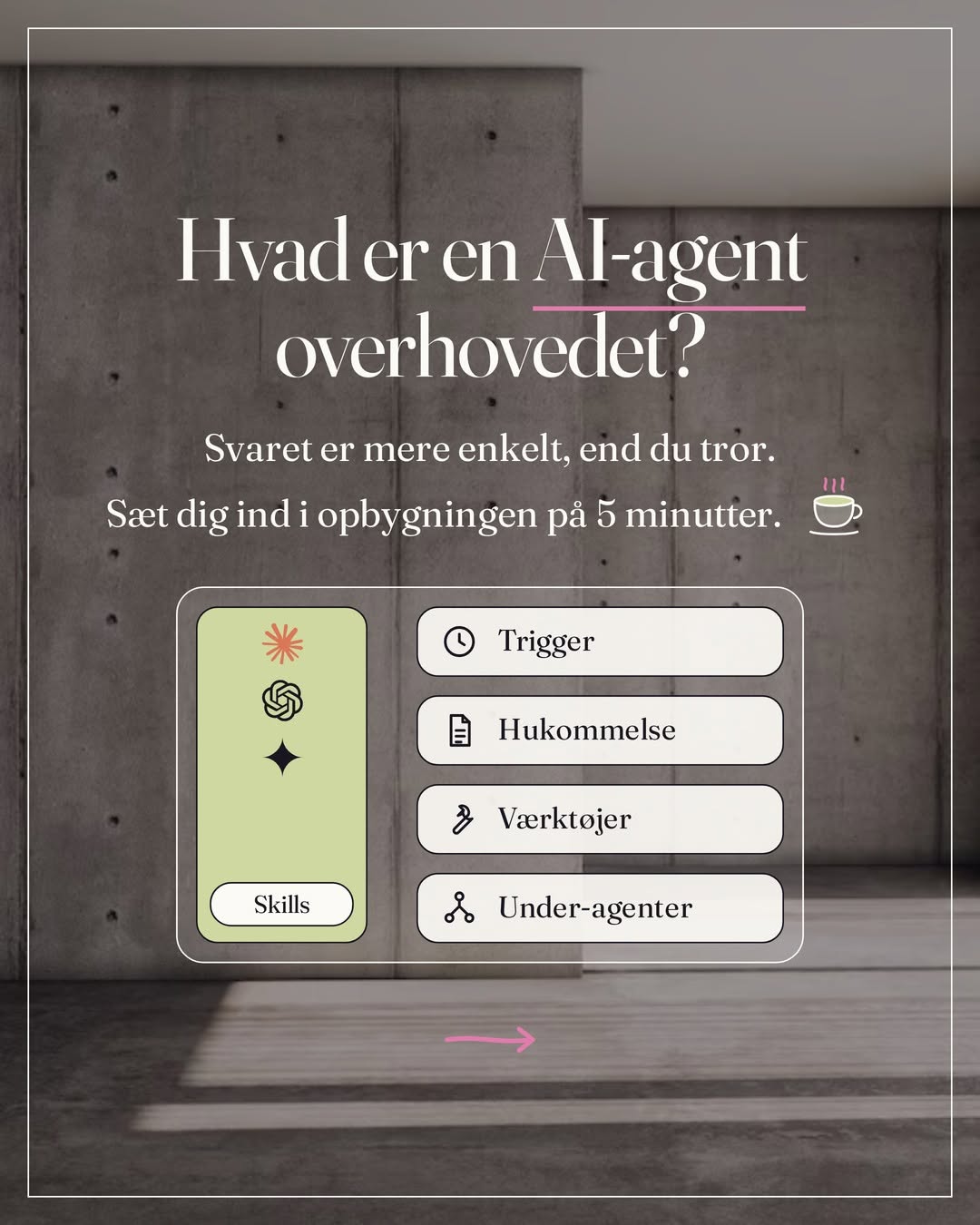
You don't need many tools. You need to know what each of them is hired to do, and how they fit together. Here is my setup as it looks today.
Claude
The headquarters. This is where my agents, projects and skills live.
Everything from client emails to reports and content is built and run here. Skills store my recurring tasks, projects hold the context, and scheduled tasks run without me.
ChatGPT
The sparring partner.
Research, quick drafts and a second opinion when I want two angles on the same thing.
Wispr Flow
The voice.
I dictate instead of typing. Messages, briefs and corrections become text while I think out loud. How I use it →
Apify
The eyes on the outside.
Monitors competitors and pulls data from the web, so my analyses are built on reality and not on hunches. How I use it →
Firecrawl
The reader.
Fetches websites and search results as text Claude can work with. Research, client sites and SEO work without copy-paste. How I use it →
Blotato
The publisher.
Schedules and publishes my posts and carousels across platforms, after I have said yes. How I use it →
Windsor.ai
The numbers.
Collects data from ads and channels in one place, so the weekly reports can be written by an agent instead of by me.
Flodesk
The newsletter.
Newsletter, list and signups. The form on this site lands directly in my segments.
GitHub + Vercel
The shop window.
This website is built in plain code together with Claude and hosted on Vercel. Every change goes live in minutes.
The tools change. The structure stays.
What matters is not the list, but the roles: a place to build, a place to publish, a place to measure, and one system that ties it together. Start by giving your own tools job titles, and build from there: map your work.